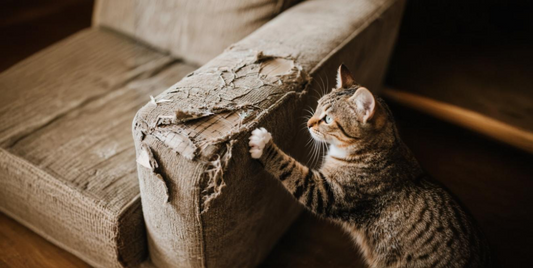

There's something uniquely endearing about a cat pushing their paws rhythmically into your lap, a blanket, or even the air, often while purring loudly with half-closed eyes. This behavior — called kneading, "making biscuits," or "kneading dough" — is one of the most charming and instinctive things cats do. But why do cats knead, and what does it mean when your cat kneads you?
Understanding this adorable behavior reveals insights into your cat's emotional state, comfort level, and deep connection to kittenhood.
The Kitten Connection: Where Kneading Begins
Kneading originates in kittenhood as an essential nursing behavior. When kittens nurse, they instinctively push their paws against their mother's mammary glands in a rhythmic motion. This pressing stimulates milk flow, making feeding easier and more productive.
This behavior becomes deeply associated with comfort, security, warmth, and nourishment — all the positive feelings of being cared for by their mother. Even though adult cats no longer need to nurse, the instinct and emotional associations remain hardwired throughout their lives.
According to veterinary behaviorists, cats who were weaned too early often become more avid kneaders as adults, possibly because they're seeking the comfort they didn't get enough of as kittens. Conversely, some cats knead very little, which can be perfectly normal if they had secure kittenhoods.
Contentment and Comfort
When your adult cat kneads, they're experiencing deep contentment and comfort. Kneading releases endorphins — feel-good chemicals in the brain that create relaxation and happiness. This is why cats often knead when they're:
- Settling in for a nap on your lap or a favorite blanket
- Purring and receiving affection from you
- Feeling particularly cozy and secure
- In a relaxed, drowsy state before sleep
When your cat kneads you specifically, it's a huge compliment. You're providing the same level of comfort, safety, and love that their mother once did. You're being treated like family — the ultimate sign of trust and affection.
Marking Territory Through Scent
Cats have scent glands in the soft pads of their paws. When they knead, they're actually depositing their unique scent onto whatever surface they're kneading — whether it's you, a blanket, or their favorite spot on the couch.
This scent marking serves multiple purposes:
- Claiming ownership — "This human/blanket/spot belongs to me"
- Creating familiar territory — Making their environment smell like them reduces stress
- Communication — Other cats can detect these scent messages
- Comfort — Being surrounded by their own scent is calming
In multi-cat households, you might notice cats kneading more frequently in shared spaces or after another cat has been in "their" spot. They're re-establishing their claim and covering up the other cat's scent with their own.
Making Their Bed
Kneading might also be an instinctive behavior inherited from wild ancestors who would pat down grass, leaves, or other vegetation to create comfortable, safe sleeping spots. Domestic cats may still retain this instinct to "prepare" their sleeping area, even when it's already a plush blanket or your lap.
You'll often see cats knead their bedding or favorite napping spots before circling and settling down to sleep. They're quite literally making their bed more comfortable, just as their wild cousins would do in nature.
Stretching and Exercise
Kneading isn't just emotional — it's also physical maintenance. The motion stretches the muscles in your cat's paws, legs, and shoulders. It flexes their claws and toe pads, keeping them flexible and healthy.
Cats who knead regularly may be maintaining better paw and leg flexibility, similar to how humans stretch or do yoga. The rhythmic motion provides gentle exercise, particularly important for indoor cats who may not get as much natural physical activity.
Female Cats in Heat
Unspayed female cats may knead more frequently and intensely when they're in heat. This kneading is often accompanied by other mating behaviors like increased vocalization, rolling on the floor, raising their hindquarters, and seeking attention more than usual.
This behavior is driven by hormones and is your cat's way of signaling receptiveness to mating. If your female cat suddenly starts kneading obsessively along with these other behaviors, she's likely in heat. Spaying will eliminate heat cycles and often reduce this intensity of kneading.
Dealing with Painful Kneading (The Claw Situation)
While kneading is adorable, it can become painful when your cat extends their claws and digs into your skin. This isn't malicious — cats simply don't realize their claws hurt you. Here's how to manage painful kneading without discouraging the behavior:
- Keep claws trimmed — Regular nail trims (every 2-3 weeks) significantly reduce painful kneading
- Place a thick blanket on your lap — Create a buffer between claws and skin
- Gently press paw pads — This causes claws to retract temporarily without interrupting kneading
- Never punish kneading — This damages your bond and associates you with negative feelings
- Redirect to appropriate surfaces — Guide your cat to knead a blanket or pillow instead
Never declaw your cat. This painful procedure amputates the last bone of each toe and can cause long-term pain, behavioral problems, and permanent psychological damage. Regular nail trims are humane and effective.
If your cat loves kneading on soft surfaces, they'll probably also enjoy a Hide & Scratch cardboard scratcher. Many cats knead on the corrugated cardboard surface before settling in for a nap inside or on top. These boxes give cats options for comfort — and there's no wrong way to use one.
When to See a Vet
While kneading is almost always normal and healthy, excessive or obsessive kneading might indicate stress or anxiety. Contact your veterinarian if:
- Your cat kneads constantly to the point of interfering with normal activities
- Kneading is accompanied by excessive vocalization, drooling, or signs of distress
- Your cat suddenly starts kneading obsessively after rarely doing it before
- Kneading seems compulsive or your cat can't be distracted from it
- Your cat kneads and suckles on blankets, clothing, or themselves excessively (could indicate early weaning or stress)
These behaviors can sometimes indicate anxiety disorders, obsessive-compulsive tendencies, or other issues that might benefit from veterinary or behavioral intervention.
Frequently Asked Questions
Why does my cat knead me but not my partner?
Your cat has chosen you as their primary attachment figure — essentially, their favorite person. Kneading is a sign of deep trust and comfort, so being the kneading recipient means you're providing the most security and love in your cat's life.
Why does my cat knead and then bite me?
This usually means your cat is overwhelmed with affection and stimulation. The intense positive feelings can lead to "love bites" — gentle nips that aren't aggressive but are your cat's way of saying "this is too much!" Watch for warning signs like skin rippling or tail twitching.
Do all cats knead?
Most cats knead at some point, but frequency varies dramatically between individuals. Some cats knead constantly, others only occasionally, and a small percentage rarely knead at all. All patterns are normal — it depends on personality, early experiences, and comfort levels.
Why does my cat knead with all four paws?
While most cats knead only with their front paws, some extremely relaxed and happy cats will alternate all four paws or even include back paw kneading. This is a sign of exceptional contentment — your cat is basically in paradise.
Is kneading a sign my cat was taken from their mother too early?
Not necessarily. While cats separated too early may knead more frequently, many cats with normal weaning times also knead extensively. It's more about individual personality and current comfort level than past trauma.
Why does my cat drool while kneading?
Drooling during kneading indicates extreme contentment and relaxation. Your cat is so happy and comfortable that they're reverting completely to kitten-like behavior. It's messy but means your cat absolutely adores you.